Every crypto wallet does one real job: it guards the private keys that control your funds. The split between "hot" and "cold" comes down to one question — are those keys on a device that touches the internet? Hot means yes. Cold means no. That single difference drives everything else: speed, cost, and how well you sleep.
What a hot wallet is
A hot wallet is software on a connected device: a browser extension like MetaMask, a phone app, or a desktop program. Because it's already online, using it is instant. Open, click, sign, done. That's why people use hot wallets for everyday actions — swapping tokens, trying apps, claiming airdrops, paying someone.
The convenience is also the exposure. A device that's online can be attacked: phishing sites, malicious downloads, fake browser extensions, malware that reads what you paste. Hot wallets are safe enough for small amounts when you're careful. They're a bad home for your life savings, the same way a kitchen counter is fine for today's lunch and wrong for a year of groceries.
What a cold wallet is
A cold wallet keeps your keys on a device that never connects to the internet — usually a hardware wallet, a small gadget that looks like a USB stick with a screen. When you want to send funds, your computer prepares the transaction, the hardware device signs it internally, and only the signature leaves the device. The keys never touch the online world.
The cost is friction and money. A decent hardware wallet runs roughly $50 to $150 (approximate), and every transaction means plugging in, checking the little screen, and pressing buttons. That friction is a feature. It slows down thieves, and honestly, it slows down your own impulsive decisions too.
Cold doesn't mean invincible, though. People still get tricked into approving bad transactions on the device itself. The little screen exists so you can read before you press — use it every time. Buy the device new, directly from the maker, and set it up yourself. Be suspicious of any unit that arrives with a seed phrase already filled in or printed on a card "for your convenience." Real devices make you generate a fresh phrase on first setup.
Side by side
| Hot wallet | Cold wallet | |
|---|---|---|
| Speed | Instant — already online | Slower — plug in and confirm on the device |
| Cost | Free software | Roughly $50–$150 for hardware (approximate) |
| Main risk | Online attacks: phishing, malware, fake sites | Physical loss or damage — recoverable via seed phrase; plus fake or tampered devices from shady sellers |
| Best for | Spending money, daily app use, small balances | Savings you rarely touch, larger balances |
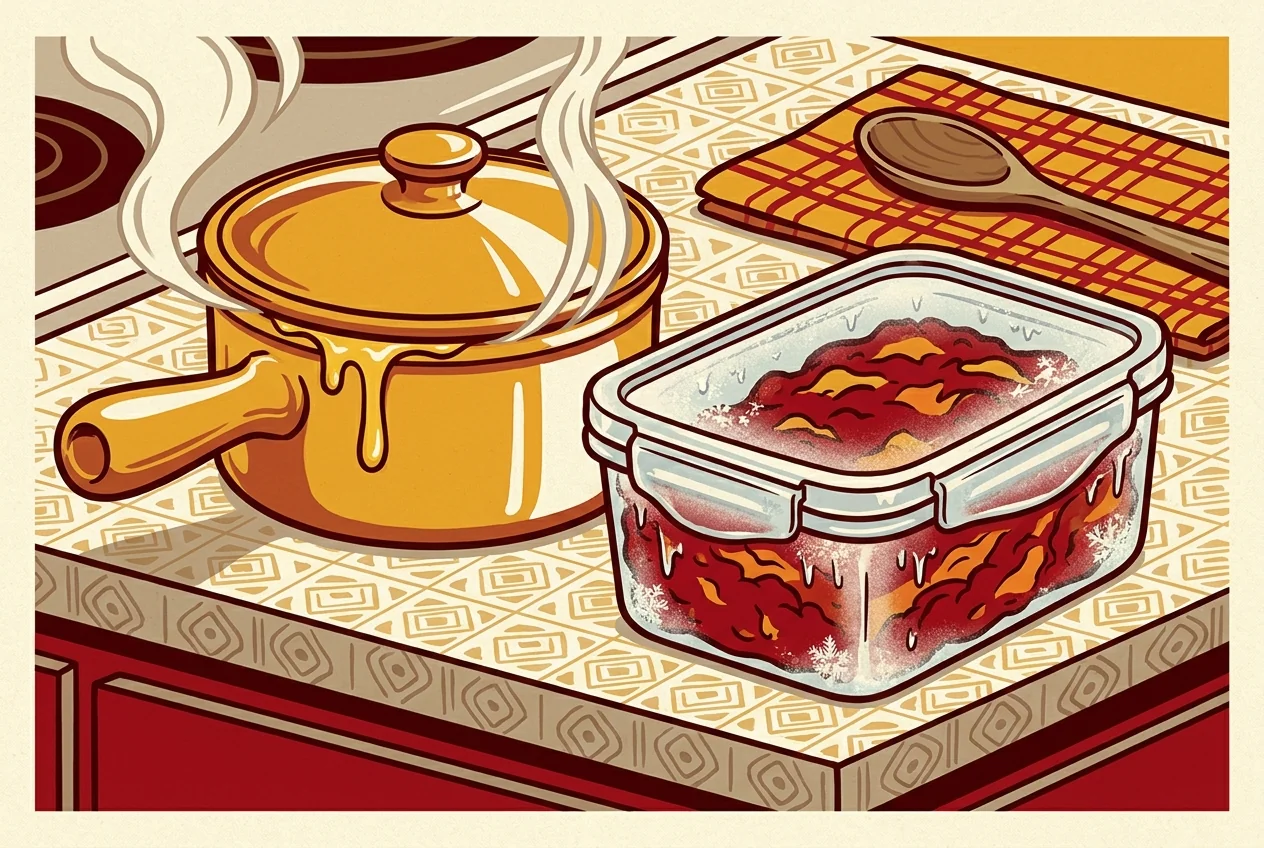
| Kitchen translation | The saucepan on the stove | The sealed container in the deep freezer |
Three real scenarios
The curious beginner with $100. A hot wallet alone is fine. Hardware costing more than your whole balance makes no sense. Set up MetaMask with the Polygon network, guard the seed phrase, and learn cheaply.
The saver with a real stake. Once losing your balance would genuinely hurt, split it. Keep a small hot-wallet float for activity and move the rest to a hardware wallet bought new, directly from the maker — never second-hand, since tampered devices exist. Many people set a personal line, say a month's rent, past which funds go cold.
The airdrop hunter. Use three layers: a throwaway hot wallet that connects to new sites, a main hot wallet that doesn't, and cold storage that connects to nothing. If a malicious site drains the throwaway, you lose lunch money instead of everything. Pair this with our guide to spotting airdrop traps before connecting anywhere.
One thing rules both: the seed phrase
Hot or cold, every wallet hands you a seed phrase — the list of recovery words that can rebuild your wallet anywhere. A cold wallet with its seed phrase saved in your email is not cold; it's a hot wallet with extra steps. Write the words on paper, store them offline in a safe place, and never type them into a website or share them with anyone. Every "support agent" or "validation page" that asks is a thief. See our risk disclaimer for the broader safety picture.
So, where should your crypto sleep?
Spending money sleeps hot, savings sleep cold, and the seed phrases for both sleep on paper in a drawer no browser can reach. Start hot while amounts are small. Add cold storage when losing the balance would sting. And revisit the split as your holdings change — where your crypto sleeps should depend on what it's worth to you, not on what was convenient last year.