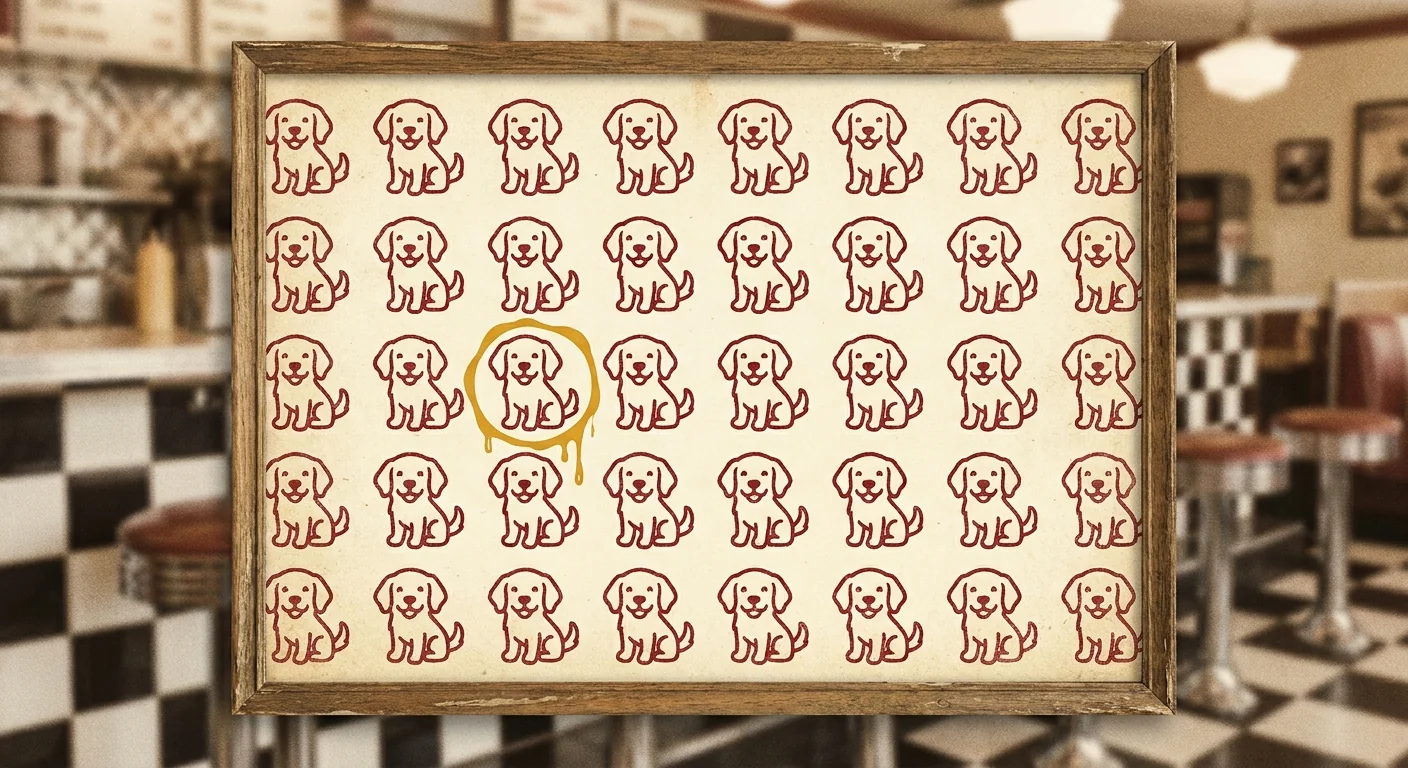
A friend messages you: DOGE420 is pumping, buy now. You open a DEX, type DOGE420 in the search, and eight results appear. Different chains, different contract addresses, different price charts. Which one is the real one? That short paragraph is the whole problem of copycat meme tokens. This page explains why the situation exists and how to make sure you buy what you meant to buy.
Why token names are not unique
On every EVM chain — Ethereum, BNB Smart Chain, Polygon, Base, Arbitrum, and many others — anybody can deploy a token contract with any name and any ticker. The name and ticker are just strings inside the contract. They are not registered, not checked, and not owned by anyone.
The moment a name gets attention, it becomes a target for copycat deployments. Sometimes a fan honestly wants to run the joke on another chain. Sometimes a scammer wants to intercept buyers who are looking for the real one. Either way, the wallet you use cannot tell them apart on the name alone.
How the copycats multiply
The lifecycle is quick.
- A meme ticker starts trending on one chain, say Solana.
- Within hours, deployers on BNB Smart Chain, Base, and other cheap chains create tokens with the same name.
- Each new deployer pairs the token with a bit of the chain's native coin in a small pool.
- Buyers searching by name find several results; some pick the wrong one.
- Deployers of the copycats sell into the buying pressure. Prices collapse within hours or days.
In extreme cases the same trending name has ten or twenty separate contracts across chains. Only one — sometimes none — is the token whose price chart the group chat was celebrating.
How to tell one DOGE420 from another
The only reliable identifier is the contract address. Everything else can be copied.
| Identifier | Reliable? | Why |
|---|---|---|
| Ticker (DOGE420) | No | Anyone can use it |
| Token name | No | Same as ticker — a label, not a registration |
| Logo image | No | Trivially copied |
| Contract address | Yes | Unique per chain, deterministic, verifiable on the block explorer |
The safe habit: find the contract address on the token's official page or verified community channel, paste it into your DEX or wallet search, and only trade with that specific contract. If several communities claim the name, treat each as a separate token and pick based on which one has real volume and audits.
How scammers abuse the confusion
The scam playbook uses the copycat problem in a few ways.
- Front-run listings. Deploy a copycat on a new chain minutes before the real project bridges over. Sell into the first buyers, drain the pool.
- Fake airdrops. Push a dust drop of a copycat token to thousands of wallets, then rely on holders clicking on the token in their wallet, landing on a phishing site, and signing a drainer transaction.
- Fake DEX pairs. Create a token with a well-known name paired with a real stablecoin. Wallets that auto-list new pools show it in top-gainer lists. Buyers arrive; deployer sells.
- SEO ambush. Buy ads on searches for the real ticker so a copycat's site ranks above the real one on Google. Same drainer flow follows.
Our page on airdrop scams covers the airdrop version in detail. The wider pattern of drainer signatures is at claim2 and other clone pages that steal airdrops.
Choosing a copycat you actually want
Sometimes several copies of a meme are legitimate — the community really does exist on multiple chains, or a fair-launch fan project on a new chain is a separate but honest experiment. If you want to buy, a short filter helps:
- Cross-check the contract address with the community's own docs or a chain-specific announcement channel.
- Look at 24-hour volume and holder count on the block explorer. Real communities produce real volume; fake copies show one big whale and a handful of scattered trades.
- Prefer copies with locked liquidity and renounced ownership; both slow the worst attacks.
- Buy small first, sell a small piece to confirm the token is not sell-taxed to death, then decide about a larger position.
The extra minutes almost always pay for themselves.
The simple habit that avoids the worst
Never buy a token because you recognised the ticker. Buy because you verified the contract address against a source you trust. That single habit turns the ten-DOGE420 mess from an unsolvable puzzle into a two-minute check. It also filters out most of the copycat scams, which rely on visitors treating the name as enough evidence. Names are not evidence. Addresses are. Read the address, verify the address, and the joke tokens go back to being amusing instead of dangerous. For a wider meme-token overview, see memes and memecoins, and for the tools of safe swapping see swapping one token for another.